Beauty and Philosophy
While scientific studies on human perceptions of beauty are relatively recent, the study of beauty in philosophy has been a topic on the philosopher’s mind for thousands of years.
In the philosophical study of beauty, one is allowed to discuss beauty as it relates to things that we may never understand through means of scientific research.
Many classical ideas of beauty that emerged during the Renaissance were inspired by Plotinus, a neo-platonic philospher of the middle ages.
Plotinus spoke of beauty in Ennead 1.6:
Let us, then, go back to the source, and indicate at once the Principle that bestows beauty on material things. Undoubtedly this Principle exists; it is something that is perceived at first glance, something which the soul names as from an ancient knowledge and, recognizing, welcomes it, enters into unison with it.
But let the soul fall in with the Ugly, and at once it shrinks within itself, denies the thing, turns away from it, not accordant, resenting it.
Our interpretation is that the soul—by the very truth of its nature, by its affiliation to the noblest Existents in the hierarchy of Being—when it sees anything of that kin, or any trace of that kinship, thrills with an immediate delight, takes its own to itself, and thus stirs anew to the sense of its nature and of all its affinity.
But, is there any such likeness between the loveliness of this world and the splendors in the Supreme? Such a representation in the particulars would make the two orders alike: but what is there in common between beauty here and beauty There?
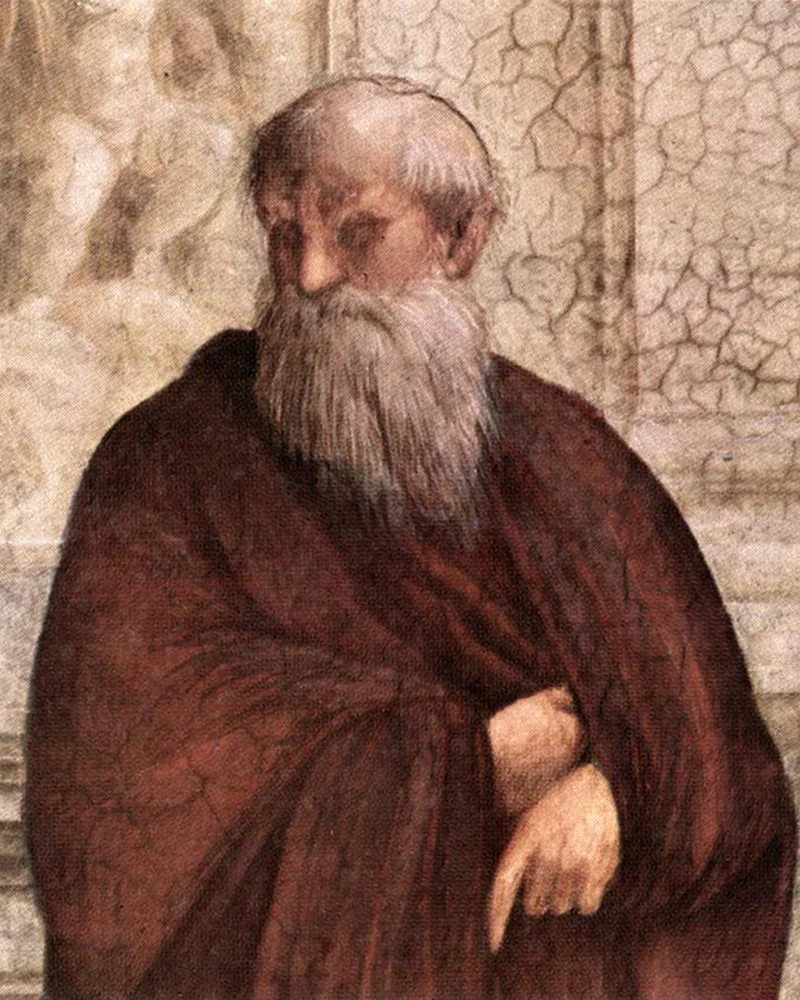
Here Plotinus defines beauty as something which is perceived and recognized by the soul. His description is not entirely different from the scientific description offered in the two studies presented earlier.
The main difference deals with understanding what it is that the mind recognizes in what it has perceived.
Plotinus defines beauty as a connector of the physical world to that of the spiritual. The eye sees, the brain processes, and the soul (or spirit) is awakened to some degree because it recognizes something of the divine in the object which is seen.
He goes on to say:
“This, then, is how the material thing becomes beautiful- by communicating in the thought that flows from the Divine.”
This idea that art can awaken some form of spiritual thought through the perception of beauty is at the heart of the concept of a “Spiritual Beauty.”
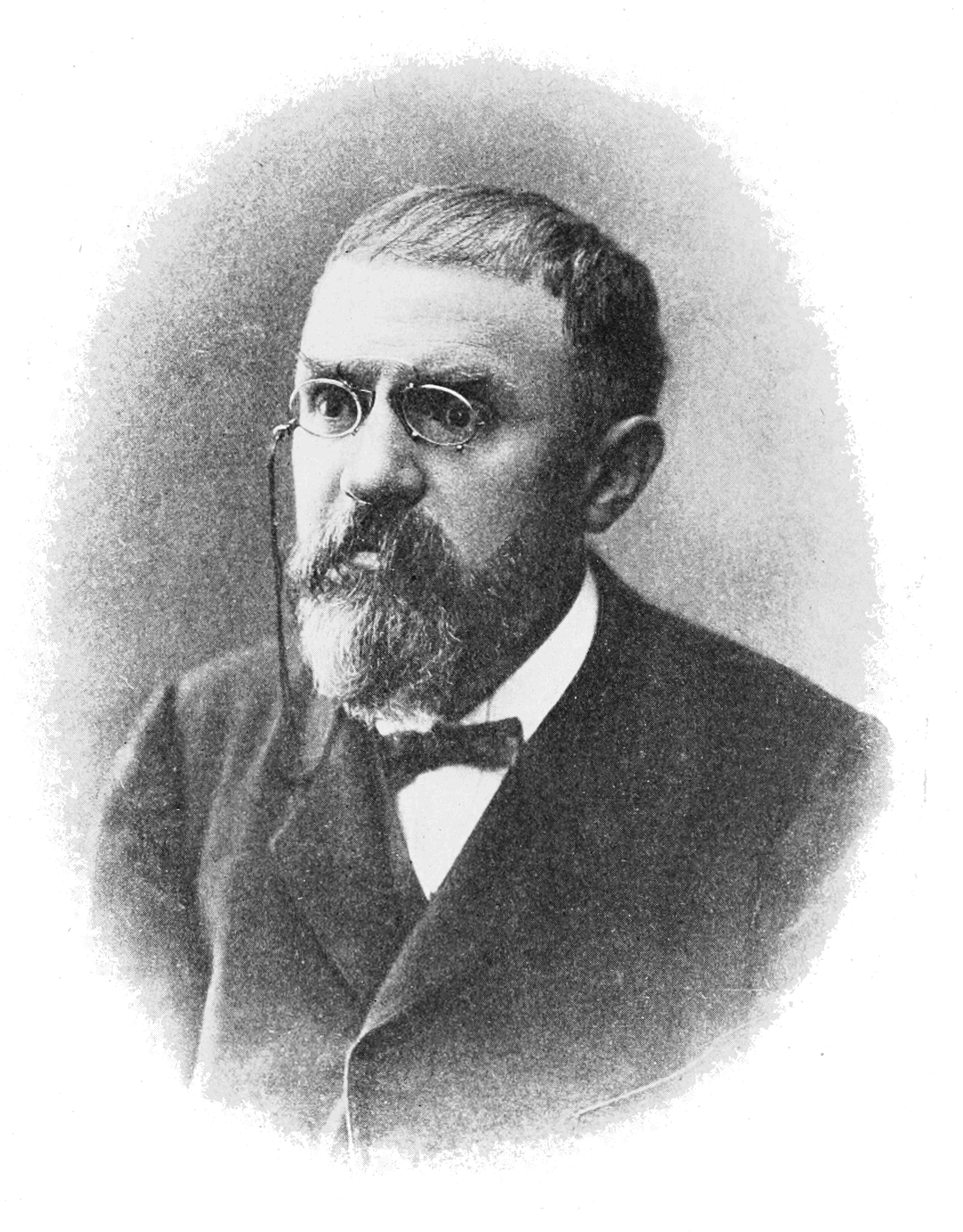
The French mathematician, Jules Henri Poincaré (1854-1912) stated:
The scientist does not study nature because it is useful; he studies it because he delights in it, and he delights in it because it is beautiful.
If nature were not beautiful, it would not be worth knowing, and if nature were not worth knowing, life would not be worth living. Of course I do not here speak of that beauty that strikes the senses, the beauty of quality and appearances; not that I undervalue such beauty, far from it, but it has nothing to do with science; I mean that more profound beauty which comes from the harmonious order of the parts, and which a pure intelligence can grasp.
This quote by Poincaré identifies an essential point in understanding this concept when he says: “…it has nothing to do with science…”, he speaks of a more profound beauty which can only be grasped by “pure intelligence.”
If it has nothing to do with science, beauty becomes very difficult to talk about, discuss, and ultimately impossible to prove with any of the tools that we have to do so. On the other hand, I don’t know anyone who hasn’t at some point in their life marveled at the beauty of a sunset, a landscape, the power of the ocean or the majesty of the stars and heavens.
This sense of beauty—which we all possess—is something that defies description, yet we are able to experience it, discuss it, and share our thoughts about beauty with others very quickly.